Introduction
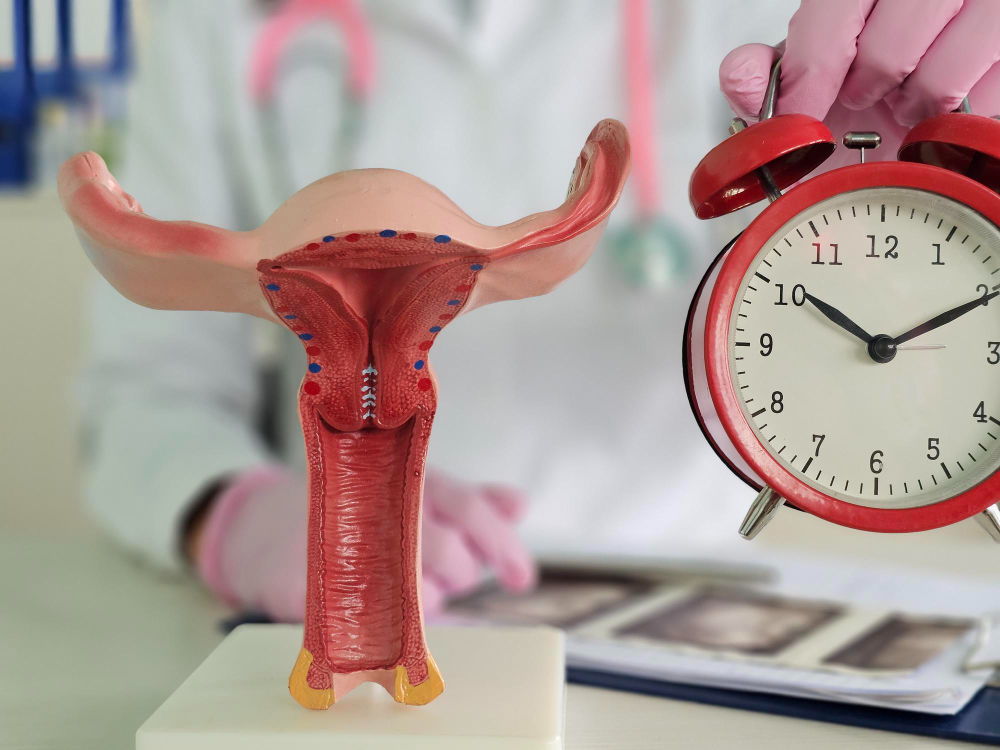
Diminished ovarian reserve means a woman has fewer eggs left in her ovaries than expected for her age. However, the number of eggs is not the only thing that matters. In fact, egg quality often plays a bigger role in fertility than egg quantity. For many women, understanding diminished ovarian reserve can help them make informed choices about their health and future plans. This blog will explain why egg quality is so important, what causes diminished ovarian reserve, and what you can do about it.
What Is Diminished Ovarian Reserve?
Diminished ovarian reserve, or DOR, happens when the ovaries have fewer eggs than normal. Usually, women are born with all the eggs they will ever have. Over time, the number and quality of these eggs decrease. While this is a natural part of aging, some women experience it earlier than others. Because of this, they may have trouble getting pregnant. DOR is a common reason for infertility, especially in women over 35.
Symptoms and Causes of Diminished Ovarian Reserve
Often, diminished ovarian reserve does not cause clear symptoms. Still, some women may notice changes. For example, periods may become shorter or less regular. Some women may also have trouble getting pregnant. In many cases, women only learn about DOR when they seek help for fertility issues.
There are several causes of diminished ovarian reserve. For instance, age is the most common factor. But, other reasons include:
According to the CDC, age-related decline in egg number and quality is the leading cause of DOR.
Egg Quality vs. Egg Quantity: What’s More Important?
Many people focus on the number of eggs, but quality is just as important. In fact, high-quality eggs are more likely to lead to a healthy pregnancy. As women age, both the number and quality of eggs drop. However, even a small number of good-quality eggs can result in pregnancy. On the other hand, having many eggs does not help if most are not healthy. Therefore, improving egg quality can boost fertility, even with diminished ovarian reserve.
How Is Diminished Ovarian Reserve Diagnosed?
Doctors use several tests to check ovarian reserve. First, they may ask about your periods and family history. Next, they may order blood tests. These tests measure hormones like:
Additionally, an ultrasound can count the number of small follicles in the ovaries. This is called an antral follicle count. Together, these tests help doctors understand your egg supply and guide treatment options.
Treatment Options and Fertility Guidance
If you have diminished ovarian reserve, several fertility treatment options are available. For example, your doctor may suggest:
Each option has its own risks and benefits. Therefore, it is important to discuss these with a fertility specialist. Early action can improve your chances of success. According to the American Society for Reproductive Medicine, women with DOR may benefit from personalized treatment plans.
Lifestyle Tips to Support Ovarian Health
While you cannot change your age, you can take steps to support your ovarian health. For instance, healthy habits may help improve egg quality and overall fertility. Consider these tips:
Additionally, regular check-ups can help catch problems early.
Prevention and When to Seek Medical Advice
Although you cannot prevent all causes of diminished ovarian reserve, you can lower some risks. For example, avoid smoking and protect yourself from toxins. If you have a family history of early menopause, talk to your doctor. Early testing can help you plan ahead. Furthermore, seek medical advice if you:
Prompt action can make a difference in your fertility journey.
Conclusion
In summary, diminished ovarian reserve affects both egg number and quality. However, egg quality often matters more for fertility. If you are concerned about your fertility, do not wait. Consult a fertility specialist Dr. Trupthi Ganapathi for personalized advice on diminished ovarian reserve and egg quality.