When starting IVF, many couples wonder about the best embryo transfer timing. Should you choose a blastocyst transfer or a day 3 transfer? Both methods are common in IVF clinics. However, each has its own benefits and challenges. In this blog, we will compare blastocyst transfer vs day 3 transfer outcomes. We will also look at IVF success rates, patient experiences, and what the latest research says.
What is Day 3 Embryo Transfer?
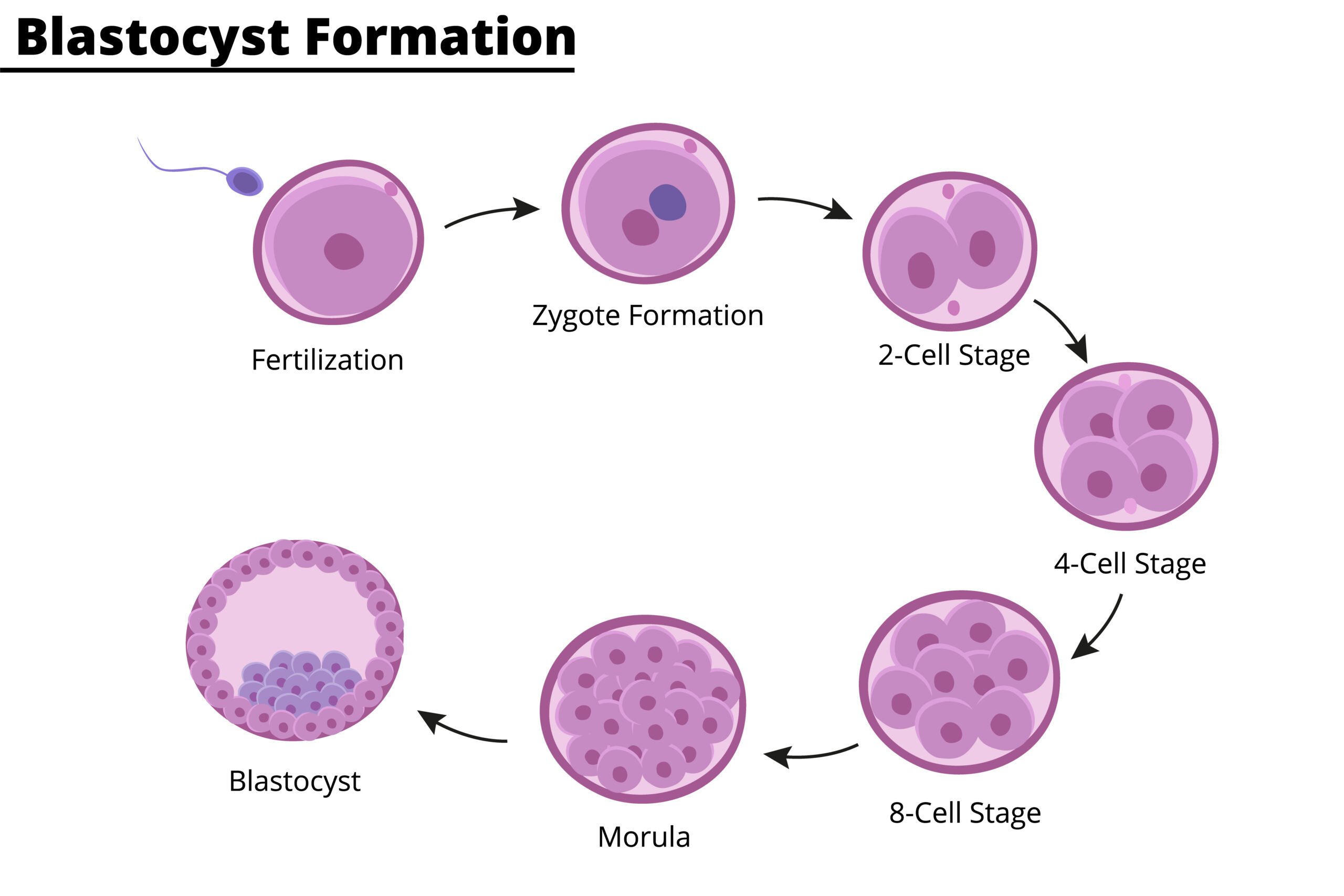
Day 3 embryo transfer means moving embryos into the uterus three days after fertilization. At this stage, the embryo usually has about 6 to 8 cells. Many clinics have used this method for years. In fact, it is still a standard choice in many places.
Because the embryos are younger, some may not survive or grow as well after transfer. Yet, this method can still lead to healthy pregnancies.
What is Blastocyst (Day 5) Transfer?
Blastocyst transfer happens five days after fertilization. By this time, the embryo has grown to about 100 cells. It forms a fluid-filled cavity and is ready to attach to the uterus. Many experts believe this stage is closer to what happens in natural conception.
However, not all embryos reach the blastocyst stage. Some may stop growing before day 5. This is why careful monitoring is important.
Key Differences Between Day 3 and Blastocyst Transfer
Although both methods aim for a healthy pregnancy, there are key differences. Understanding these can help you make an informed choice.
Because each patient is different, your doctor will consider many factors before recommending a method.
Success Rates and IVF Outcomes: What Does the Research Say?
Many couples want to know which method offers the best IVF outcomes. According to the American Society for Reproductive Medicine (ASRM), blastocyst transfer often leads to higher pregnancy rates per transfer. For example, a 2022 study in Human Reproduction found that live birth rates were about 10% higher with blastocyst transfer compared to day 3 transfer.
Still, not all clinics report the same results. Some studies show similar outcomes for both methods, especially in women under 35. Therefore, it is important to discuss your personal situation with your fertility team.
Factors Influencing the Choice of Transfer Method
Several factors can affect which transfer method is best for you. For instance, your age, number of embryos, and previous IVF attempts all play a role.
Because every IVF journey is unique, your doctor will help you weigh these factors.
Pros and Cons of Each Approach
Both day 3 and blastocyst transfers have advantages and drawbacks. Knowing these can help you feel more confident in your choice.
Day 3 Transfer
Blastocyst Transfer
Because each method has pros and cons, your doctor will guide you based on your needs.
Patient Experience and Recovery
Many patients ask about recovery after embryo transfer. The good news is that both day 3 and blastocyst transfers are simple, outpatient procedures. Most women can go home the same day. In fact, you can return to normal activities soon after.
Because the process is gentle, most women recover quickly and can resume daily life.
Frequently Asked Questions
Conclusion and Next Steps
In summary, both blastocyst transfer and day 3 transfer can lead to successful IVF outcomes. However, blastocyst transfer may offer higher success rates for some patients. Because every situation is unique, it is important to talk with your fertility specialist. They can help you choose the best embryo transfer for your IVF journey.
Consult a specialist Dr Trupthi Ganapath to discuss which embryo transfer option is best for your IVF journey.