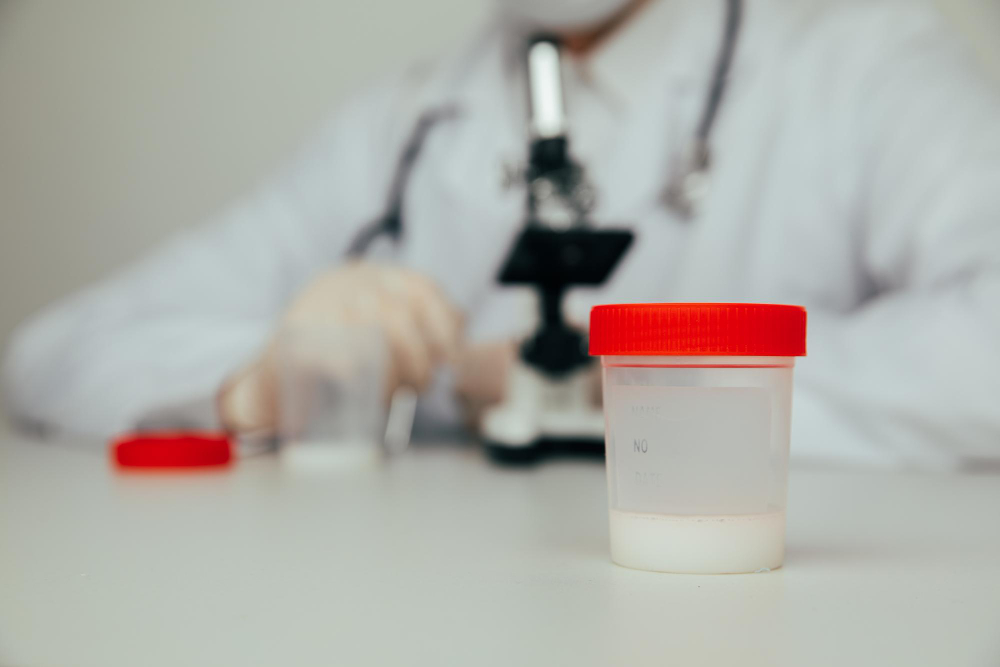
What Is a Semen Analysis?
A semen analysis report is a test that checks the health of a man’s sperm. Doctors often use this test to look at sperm count, movement, and shape. For many couples, a semen analysis helps find out why pregnancy is not happening. According to the World Health Organization (WHO), this test is a key step in checking male fertility. In simple terms, it helps doctors see if sperm can reach and fertilize an egg.
Why Is a Semen Analysis Performed?
Doctors order a semen analysis for several reasons. Often, it is done when couples have trouble getting pregnant. Sometimes, it is used after a vasectomy to make sure no sperm are present. In other cases, it helps check for problems after an injury or illness. For example, if a man has had mumps or a high fever, a semen analysis can show if sperm health is affected. In short, this test gives important clues about male reproductive health.
Key Components of a Semen Analysis Report
When you receive a semen analysis report, you will see several main parts. Each part tells something important about sperm health. For better understanding, here are the key components:
Each of these parts helps doctors understand semen health and fertility.
How to Prepare for a Semen Analysis
Proper preparation is important for accurate semen analysis results. Before the test, doctors usually give clear instructions. For example, you should avoid sex or masturbation for 2 to 7 days before giving a sample. This helps get the best results. Also, avoid alcohol and drugs, as these can affect sperm health. If you are sick or have a fever, let your doctor know. Sometimes, you may need to repeat the test if the first sample is not ideal. Following these steps helps ensure your semen analysis report is reliable.
Understanding Your Semen Analysis Results
Reading a semen analysis report can seem confusing at first. However, knowing what each part means makes it easier. For instance, if your sperm count is above 15 million per milliliter, that is considered normal. If motility is above 40%, sperm are moving well. When morphology is 4% or higher, most sperm have a normal shape. On the other hand, results below these numbers may point to fertility issues. Still, one abnormal result does not always mean there is a problem. Often, doctors repeat the test to confirm findings. If you have questions about your report, your doctor can explain what the numbers mean for you.
Common Causes of Abnormal Results
Abnormal semen analysis results can happen for many reasons. Sometimes, lifestyle factors play a role. For example, smoking, heavy drinking, or drug use can lower sperm quality. In addition, being overweight or under a lot of stress may affect sperm health. Medical issues can also cause problems. These include infections, hormone imbalances, or genetic conditions. Even a recent illness or fever can change results for a short time. Because of this, doctors look at your health history and may repeat the test before making any decisions.
Next Steps After Receiving Your Report
After you get your semen analysis report, your doctor will talk with you about the results. If everything looks normal, no further action may be needed. However, if there are abnormal findings, your doctor may suggest more tests. Sometimes, lifestyle changes can help improve semen health. In other cases, treatment for infections or hormone problems may be needed. For couples trying to have a baby, consult rhe best fertility specialist Dr. Trupthi Ganapathi . Each person’s next steps depend on their unique results and health needs.