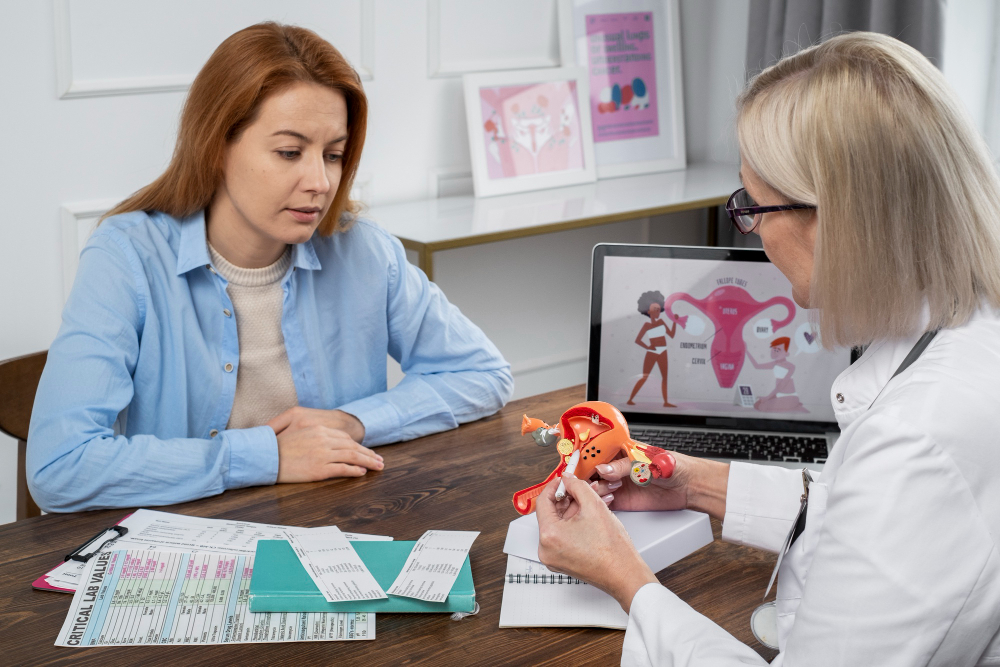
What is Pelvic Inflammatory Disease (PID)?
Pelvic Inflammatory Disease (PID) is an infection of the female reproductive organs. It often affects the uterus, fallopian tubes, and ovaries. Because PID can cause serious health problems, early treatment is important. Many women do not notice symptoms at first. However, untreated PID can lead to long-term pain or trouble having children. According to the CDC, PID is a common health issue among women of reproductive age.
Common Symptoms of PID
PID symptoms can be mild or severe. Sometimes, they are easy to miss. Still, knowing the signs can help you seek care early. Common symptoms include:
However, not everyone has all these symptoms. If you notice any of them, it is wise to talk to a doctor.
Causes and Risk Factors of PID
Most often, PID starts with a sexually transmitted infection (STI), such as chlamydia or gonorrhea. These bacteria can move from the vagina to the reproductive organs. But, other infections can also cause PID. Several risk factors increase your chances of getting PID:
Because some risk factors are preventable, knowing them can help you protect your health.
How is PID Diagnosed?
Doctors use several methods to diagnose PID. First, they ask about your symptoms and medical history. Next, they perform a pelvic exam to check for pain or swelling. In addition, they may take samples of vaginal or cervical fluid to test for infection. Sometimes, doctors use blood tests or urine tests to look for signs of infection. If needed, they may order an ultrasound or other imaging tests. These steps help confirm the diagnosis and rule out other problems. Early diagnosis is key to preventing complications.
Treatment Options for PID
PID treatment options usually include antibiotics. Doctors often prescribe more than one antibiotic to cover different bacteria. It is important to take all the medicine, even if you feel better. Sometimes, severe cases need hospital care or intravenous (IV) antibiotics. Rarely, surgery is needed if there is an abscess or if the infection does not improve. In addition, your partner may need treatment to prevent reinfection. Always follow your doctor’s advice for the best results.
Prevention Tips for PID
Preventing pelvic inflammatory disease is possible with a few simple steps. Here are some tips to lower your risk:
Because prevention is easier than treatment, these habits can help protect your reproductive health.
Lifestyle Guidance for Managing PID
After treatment, you can take steps to support your recovery. For example, rest as much as possible and drink plenty of fluids. Take all prescribed medicines, even if you feel better. In addition, avoid sex until your doctor says it is safe. If you have ongoing pain or symptoms, let your doctor know. Good self-care can help you heal faster and prevent future problems.
When to See a Doctor
If you notice symptoms like pelvic pain, unusual discharge, or fever, see a doctor right away. Early treatment can prevent serious problems such as infertility or chronic pain. Even if your symptoms are mild, it is better to be safe. Regular check-ups and STI testing can help catch issues early. Your health matters, so do not delay seeking care.
Consult a healthcare specialist at INDIRA IVF for personalized advice on pelvic inflammatory disease (PID).