Introduction
Tubal blockage and fertility are closely linked. Many women face trouble getting pregnant due to blocked fallopian tubes. In fact, fallopian tube blockage is one of the main female infertility causes. Because of this, understanding tubal infertility treatment is important for many couples. In this blog, we will explain what tubal blockage is, how it affects fertility, and what you can do about it. We will also discuss symptoms, causes, diagnosis, and treatment options. If you are worried about your fertility, this guide can help you learn more.
What is Tubal Blockage?
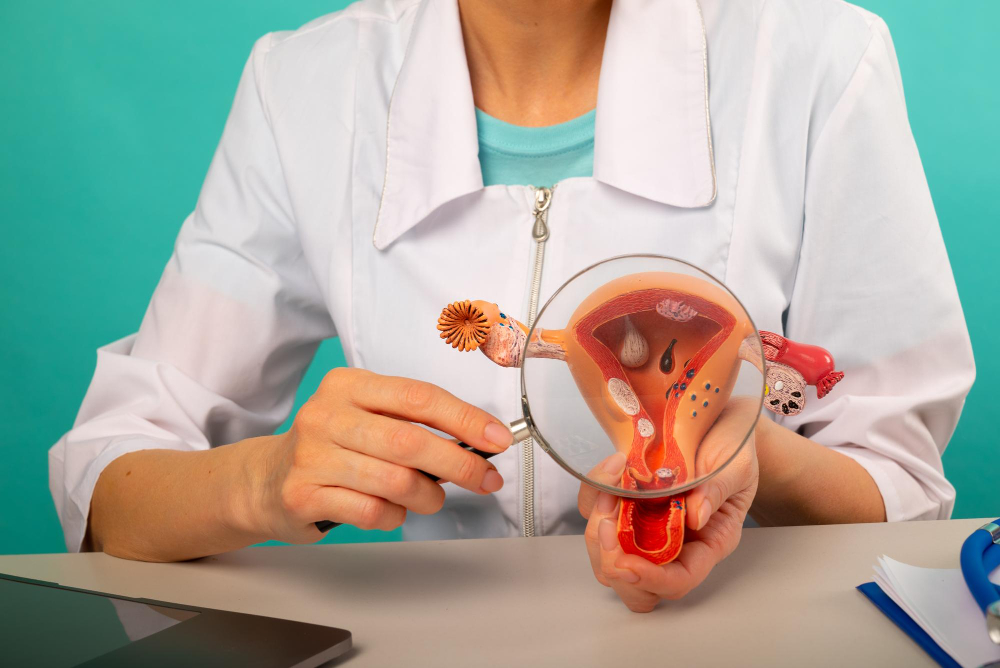
First, let’s understand what tubal blockage means. Women have two fallopian tubes. These tubes connect the ovaries to the uterus. When one or both tubes are blocked, eggs cannot travel to meet sperm. As a result, pregnancy becomes difficult or even impossible. Sometimes, the blockage is partial. Other times, it is complete. Either way, it can affect your chances of having a baby.
How Tubal Blockage Affects Fertility
Tubal blockage can stop eggs and sperm from meeting. Because of this, fertilization cannot happen. Even if only one tube is blocked, your chances of getting pregnant may drop. According to the World Health Organization (WHO), tubal problems cause about 30% of female infertility cases worldwide. Therefore, treating blocked tubes is key for many women who want to conceive.
Common Causes of Tubal Blockage
There are several reasons why fallopian tubes may become blocked. Some common causes include:
Because these causes are common, regular check-ups and early treatment are important.
Symptoms and Warning Signs
Often, tubal blockage does not cause clear symptoms. However, some women may notice warning signs. For example, you may have:
Still, many women have no symptoms at all. Therefore, if you have trouble conceiving, talk to your doctor.
Diagnosis: How Doctors Detect Tubal Blockage
Doctors use several tests to check for blocked tubes. Some common methods include:
Because early diagnosis helps, do not delay seeing a doctor if you have concerns.
Treatment Options for Tubal Blockage
Treatment depends on the cause and how severe the blockage is. Some options include:
Because each case is different, your doctor will suggest the best treatment for you.
Prevention and Lifestyle Tips
Although not all blockages can be prevented, you can lower your risk by:
In addition, avoid smoking and limit alcohol, as these can affect fertility.
When to See a Specialist
If you have tried to get pregnant for over a year without success, see a fertility specialist. Also, if you have a history of pelvic infections, endometriosis, or surgery, early evaluation is wise. Because early treatment can improve your chances, do not wait too long to seek help.
Conclusion
Tubal blockage is a common cause of female infertility. However, with the right diagnosis and treatment, many women can still achieve pregnancy. Consult Dr. Trupthi Ganapathi for personalized advice and support.