What Is Endometriosis?
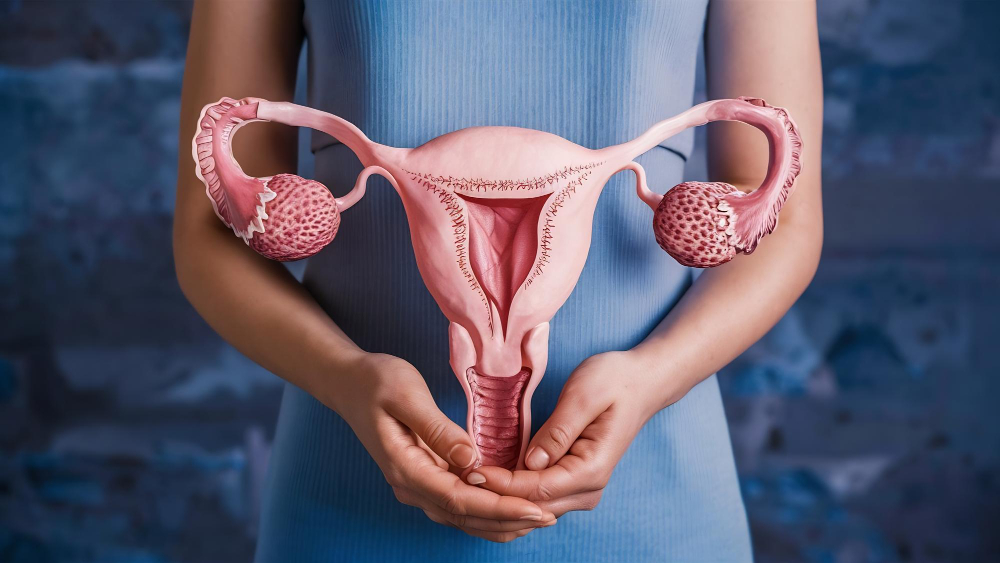
Endometriosis is a common women’s health condition. It happens when tissue like the lining inside the uterus grows outside it. This tissue can appear on the ovaries, fallopian tubes, or other pelvic organs. As a result, it often causes pelvic pain and menstrual pain. According to the World Health Organization (WHO), endometriosis affects about 10% of women of reproductive age worldwide. Because it can impact daily life, early understanding is important.
Common Symptoms of Endometriosis
Many women with endometriosis experience a range of symptoms. However, some may have mild or no symptoms at all. For example, you might notice:
Sometimes, these symptoms can be mistaken for other health issues. Therefore, it is important to talk to a doctor if you notice any of them.
Causes and Risk Factors
Although the exact cause of endometriosis is not fully known, experts have found some possible reasons. For instance, one theory is that menstrual blood flows backward into the pelvis. This is called retrograde menstruation. Additionally, genetics may play a role, as endometriosis can run in families.
Even though these factors can raise your risk, anyone can develop endometriosis.
How Endometriosis Is Diagnosed
Doctors use several steps to diagnose endometriosis. First, they ask about your symptoms and medical history. Next, they may do a pelvic exam to check for tender areas or cysts. Sometimes, imaging tests like ultrasound or MRI help find signs of endometriosis. However, the only way to confirm the condition is through a minor surgery called laparoscopy. During this procedure, a doctor looks inside the pelvis with a small camera. Because early diagnosis can help with treatment, it is important to seek care if you have ongoing pelvic pain or menstrual pain.
Treatment Options for Endometriosis
There are several treatment options for endometriosis. The best choice depends on your symptoms and health goals. For example, some women want to manage pain, while others hope to improve fertility. Common treatments include:
Lifestyle Tips for Managing Endometriosis
Along with medical treatment, lifestyle changes can help manage endometriosis symptoms. For instance, regular exercise may reduce pain and boost mood. Eating a balanced diet with fruits, vegetables, and whole grains can also support your health. Additionally, some women find relief with:
Because everyone is different, it may take time to find what works best for you.
Preventive Strategies and Early Detection
While there is no sure way to prevent endometriosis, early detection can make a difference. For example, tracking your periods and symptoms can help you notice changes sooner. If you have a family history of endometriosis, let your doctor know. Regular check-ups with your healthcare provider are important, especially if you have pelvic pain or heavy periods. Early care can help manage symptoms and improve quality of life.
Conclusion
If you have symptoms of endometriosis or concerns about your menstrual health, Dr Trupthi Ganapathi and her team are here to help. Schedule a visit to discuss your options and get the support you need.